Dreaming about a place in Sandpoint where you can spend summer on the lake, winter near the mountain, and long weekends surrounded by North Idaho scenery? Buying a vacation or second home here can be exciting, but it also comes with decisions that go beyond the usual home search. If you want a property that fits your lifestyle, budget, and long-term plans, it helps to understand how Sandpoint’s seasonal market, local rules, and ownership costs all come together. Let’s dive in.
Why Sandpoint draws second-home buyers
Sandpoint stands out because it offers both lake and mountain access in one market. The area sits on Lake Pend Oreille, with Schweitzer nearby, so buyers often look at very different property types depending on how they want to use the home.
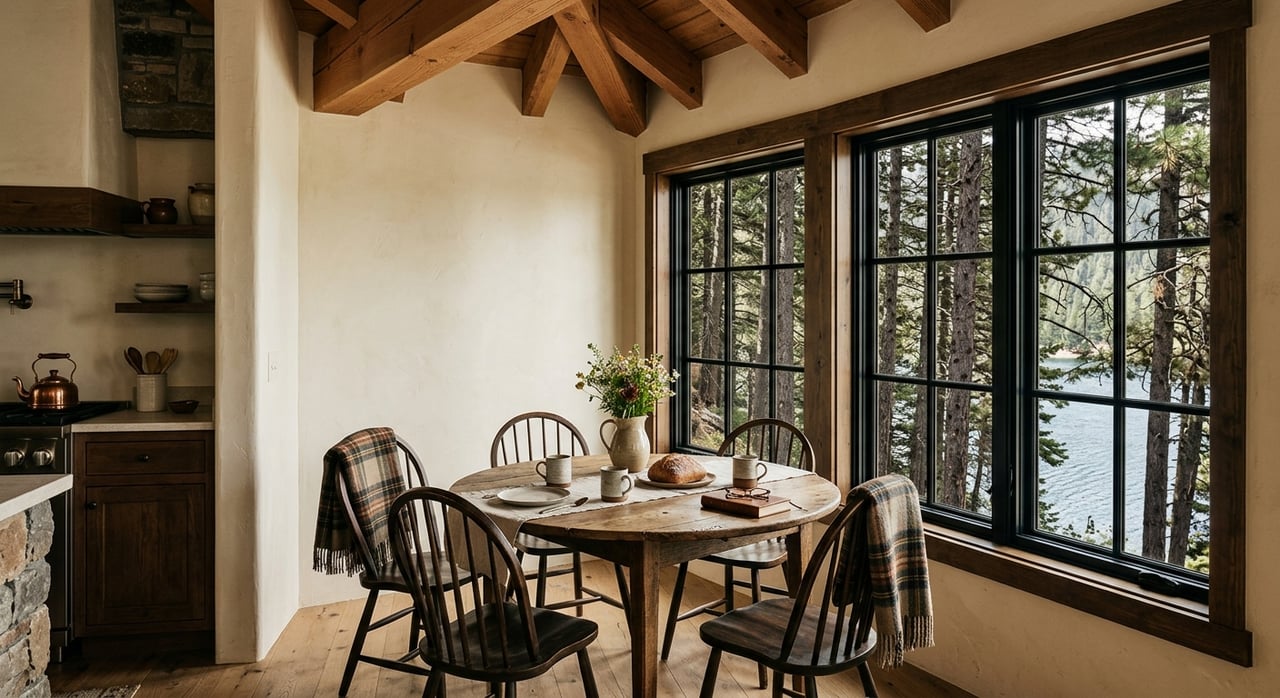
That variety matters. In Sandpoint, your options may include a lakefront or lakeview home, a resort-adjacent condo, a cabin in a wooded setting, or an in-town home that is easier to lock and leave. Instead of assuming one type is best, it makes sense to match the property to the way you actually plan to use it.
Seasonality also shapes buyer interest. Schweitzer’s winter season typically runs from late November to early or mid April, while its summer season runs from late June to Labor Day. The mountain reports about 300 inches of average annual snowfall and 40 miles of bike trails, which helps explain why demand can come from both winter recreation and summer travel.
Sandpoint also hosts well-known annual events throughout the year, including Winter Carnival, Lost in the ’50s, Schweitzer Fall Fest, and the Festival at Sandpoint summer concert series, which has been running for more than 40 years. For many buyers, that year-round activity adds to the appeal of owning a place they can enjoy in more than one season.
Choose the right property type
The best second home for you depends on your goals first. Before you focus on finishes or views, think about how often you will use the property, who will stay there, and whether you want a simple getaway or a home that can handle longer stretches in every season.
Lake homes and lakeview properties
If your ideal Sandpoint experience centers on summer boating, water access, and scenic views, a lakefront or lakeview property may be the natural fit. These homes often appeal to buyers who want a strong lifestyle component and plan to spend meaningful time in the area during warmer months.
The tradeoff is that lake-oriented properties may have a different maintenance profile and pricing dynamic than other second-home options. If your use will be mostly seasonal, make sure the home still works well when you are away for stretches of time.
Resort condos near Schweitzer
If winter access is your top priority, a condo near Schweitzer may be worth a close look. This type of property can make ski-season visits easier and may also support summer use thanks to the mountain’s trail network and warm-weather activities.
A condo can also be attractive if you want a more manageable setup than a standalone home. That said, you still need to evaluate the property based on your actual plans, not just peak-season appeal.
Cabins and wooded properties
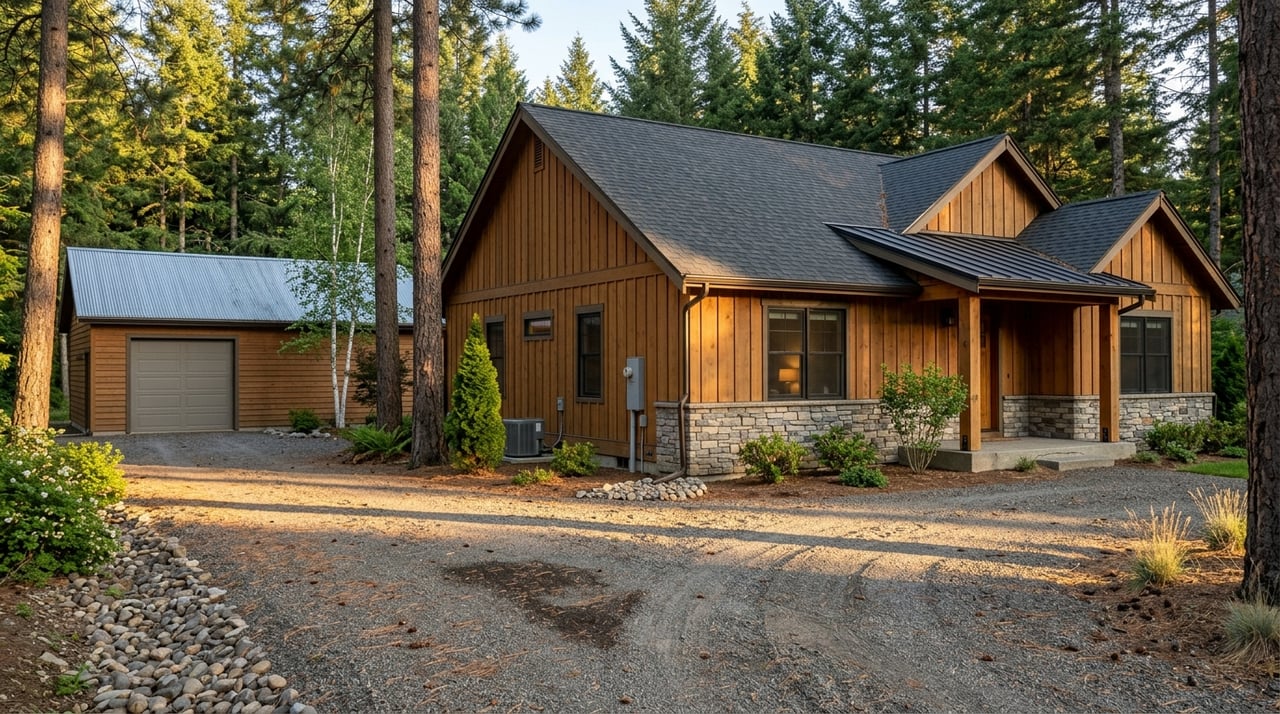
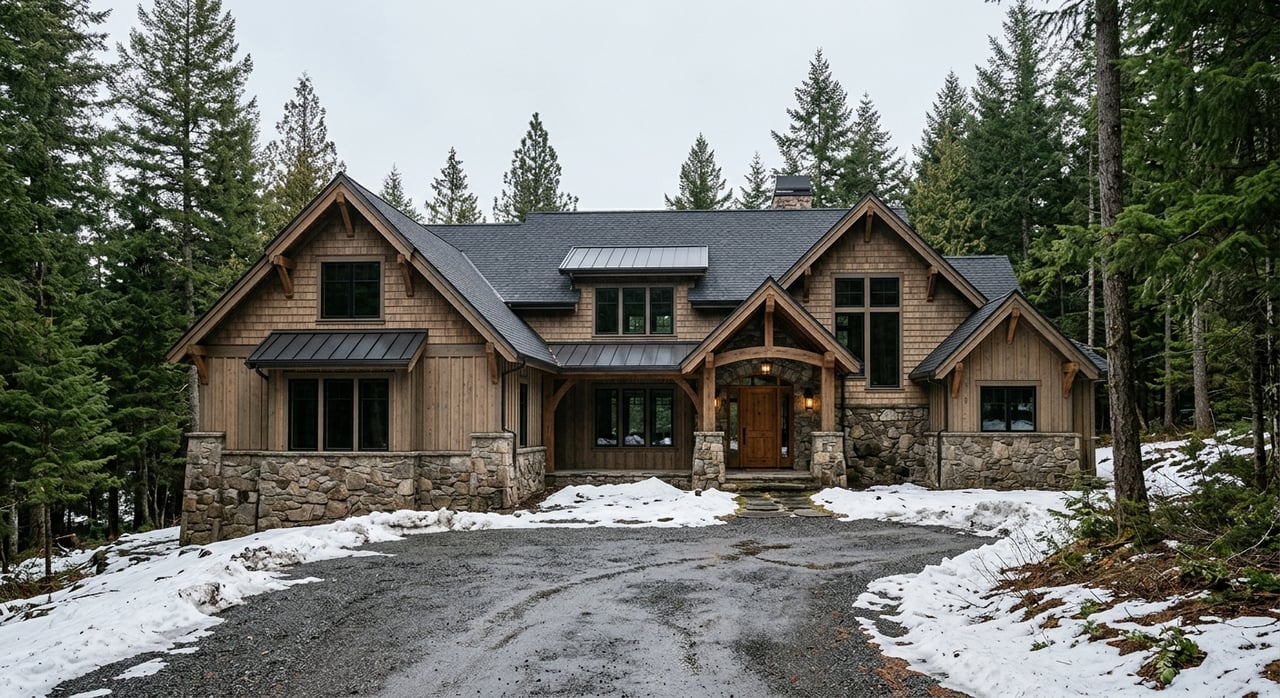
Cabins and wooded homes often attract buyers looking for privacy, scenery, and a classic North Idaho feel. These properties can be a great match if your goal is to unplug and enjoy a quieter setting.
They may also require more planning around access, maintenance, and oversight when you are not in town. That is especially important if the property is in a more rural area or outside Sandpoint city limits.
In-town homes for easier ownership
Some second-home buyers prefer an in-town home because it can be easier to maintain and use year-round. If you want quick access to restaurants, events, and daily conveniences, this type of property may offer a more flexible ownership experience.
For buyers who plan frequent visits, a home closer to town can also simplify logistics in winter. That can be a real advantage if you are balancing second-home ownership with a busy primary residence elsewhere.
Check zoning and intended use early
One of the biggest mistakes second-home buyers can make is waiting too long to verify what they can actually do with a property. If you are thinking about part-time rental use, a change in use, or anything beyond straightforward personal occupancy, this should be part of your early due diligence.
Within Sandpoint city limits, the city says a property’s desired use should conform with the land-use map in the 2024 Comprehensive Plan and the zoning district on the city map. The city’s zoning framework includes residential, commercial, and industrial districts, so use questions are not something to leave until after closing.
Location matters here in a very practical way. If the home is outside Sandpoint city limits, Bonner County Planning handles unincorporated parcels, and the rules may differ from what applies inside the city. That distinction is important for buyers comparing downtown properties, lake-area homes, acreage, or homes near resort corridors.
Understand short-term rental rules
If part of your plan is to offset costs with short-term rental income, local rules need your attention from the start. In Sandpoint, short-term rentals are defined as stays of 30 days or less.
Inside city limits, a short-term rental requires a city-issued permit before operation. The city also says these properties must follow annual permitting, local representative, safety inspection, parking, and tax requirements.
There is also a local tax piece to understand. Sandpoint’s resort city tax for short-term lodging increased from 7% to 14% effective January 1, 2023, and it applies to lodging of 30 or fewer days. Idaho Tax Commission guidance also says similar rentals are subject to state sales tax and Travel and Convention tax.
Outside city limits, Sandpoint notes that it does not regulate short-term rentals. If you are considering a property in unincorporated Bonner County, you should verify county planning requirements before assuming city rules apply or do not apply.
Know the tax picture for a second home
A vacation home and a primary residence are not taxed the same way in every case. Idaho’s homeowner’s exemption is for a home you own and occupy as your primary residence.
According to the state, the exemption continues until ownership changes or the home is no longer your primary residence. Bonner County also says a taxpayer can claim the exemption on only one home.
In practical terms, a vacation or second home generally should not be treated as homeowner-exemption property. The exemption can remove 50% of value up to $125,000, so this is an important piece of your cost planning before you buy.
Read Sandpoint market timing carefully
Second-home buyers often ask whether now is the right time to buy in Sandpoint. The better question is whether the timing fits your budget, goals, and the specific type of property you want.
Recent market snapshots point to a slower and more selective market than a peak frenzy, but the exact numbers vary by source. As of April 30, 2026, Zillow reported an average Sandpoint home value of $634,657, up 1.8% year over year, with homes going pending in about 39 days.
Redfin reported a median sale price of $539K over the prior three months and a median of 60 days on market in April 2026. Realtor.com labeled Sandpoint a buyer’s market in March 2026 with a 59-day median and a 94% sale-to-list ratio.
These sources use different methods, so it is smart to treat them as directional rather than as one final answer. A lakefront home, a resort condo, and an in-town house may each move differently, which is why local market guidance matters when you are deciding whether to buy during a high-demand season or wait for a different window.
Plan for maintenance before you buy
A second home should feel enjoyable, not stressful. In Sandpoint, maintenance planning is a major part of smart ownership because the climate affects how you care for a property through the year.
The city says Sandpoint experiences about 30 days of winter weather and about 58 inches of annual snowfall, usually between November and March. Its snow-removal guidance asks residents to park on the even side of the street between December 1 and March 1, move RVs, boats, and trailers off the street for winter, and keep sidewalks, ADA ramps, mailboxes, and hydrants clear.
If you will be away for part of the year, those details matter. You may need to budget for snow removal, winterization, and a reliable local contact who can keep an eye on the home.
The broader climate also plays a role. City planning materials describe Sandpoint as having around 34 inches of average annual precipitation, summer highs in the 80s, winter temperatures below freezing, and wetter months in late fall and early winter.
That mix makes it worth thinking through exterior upkeep, landscaping, drainage, seasonal access, and how easy the property will be to manage when you are not there. A beautiful setting is part of the draw, but practical ownership is what helps your second home stay enjoyable over time.
Questions to ask yourself first
Before you write an offer, get clear on the basics of how this home will fit your life. A few honest answers can narrow your search and help you avoid buying a property that looks great online but misses the mark in real life.
Will you use it only yourself?
If the home is strictly for personal use, your search can stay focused on lifestyle and convenience. If you may rent it short term, local rules, permitting, taxes, and property setup become much more important.
Is it in the city or county?
A property inside Sandpoint city limits may fall under different planning and short-term rental rules than one in unincorporated Bonner County. Always verify where the parcel sits before you make assumptions about what is allowed.
Does it work year-round?
Some homes shine in summer but are less practical in winter. Others are ideal for ski season but may not match your lake-season priorities.
If you want true second-home flexibility, look at whether the property supports both warm-weather and snow-season use. That simple question can save you from buying a home that only fits half your plan.
Buy with a practical local strategy
Buying a vacation or second home in Sandpoint is not just about finding a pretty property. It is about matching location, property type, seasonality, local rules, and ownership costs to the way you really plan to use the home.
When you take that approach, you are far more likely to buy something that feels right both on day one and years down the road. If you want clear local guidance as you compare lake homes, condos, cabins, or in-town options, reach out to Donnie Wilkins for straightforward advice backed by North Idaho market experience.
FAQs
What types of second homes are common in Sandpoint?
- Common options include lakefront or lakeview homes, resort-adjacent condos, cabins in wooded areas, and in-town homes that may be easier to maintain year-round.
What should you check before renting out a Sandpoint second home?
- If the property is inside city limits and you plan short-term stays of 30 days or less, you should check permit, safety, parking, tax, and local representative requirements before closing.
How do Sandpoint and Bonner County rules differ for second homes?
- Properties inside Sandpoint city limits follow city planning and short-term rental rules, while unincorporated parcels fall under Bonner County Planning and may have different requirements.
Can you claim Idaho’s homeowner’s exemption on a Sandpoint vacation home?
- Generally, no. Idaho’s homeowner’s exemption is for your primary residence, and Bonner County says you can claim it on only one home.
How does Sandpoint weather affect second-home ownership?
- Sandpoint’s winter weather, snowfall, and seasonal precipitation can increase the need for snow removal, winterization, exterior upkeep, and a reliable local contact when you are away.