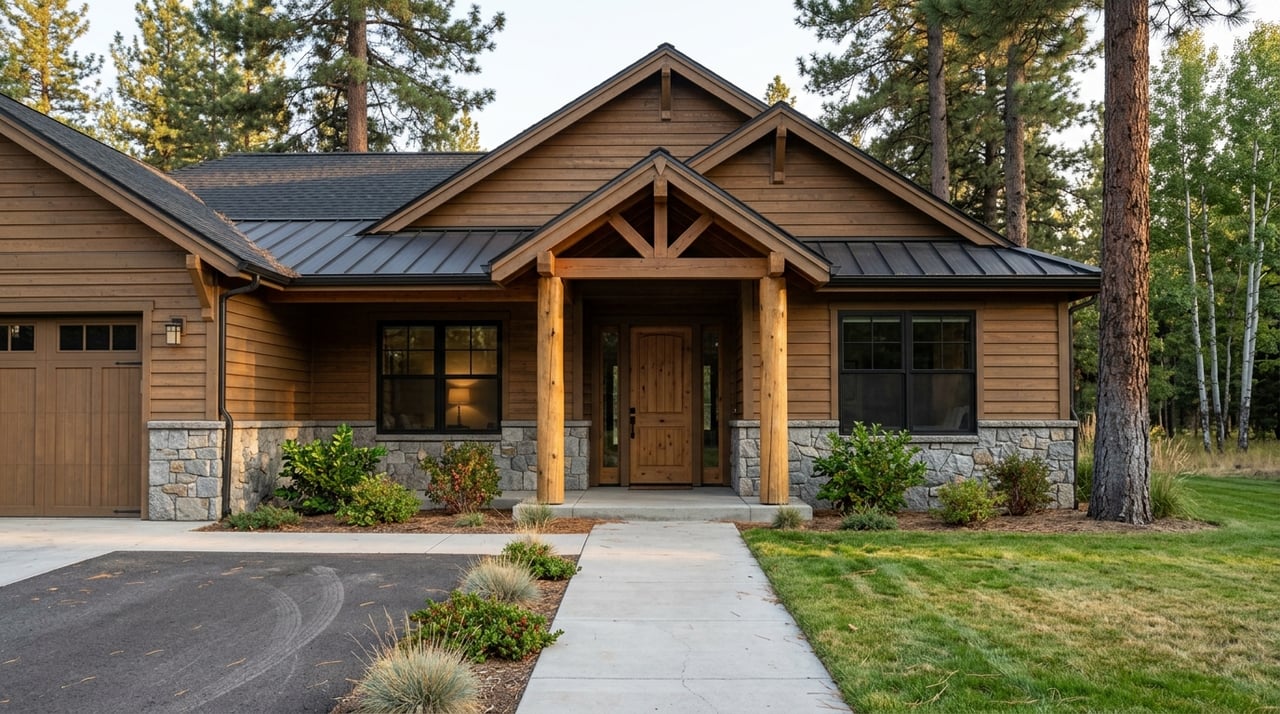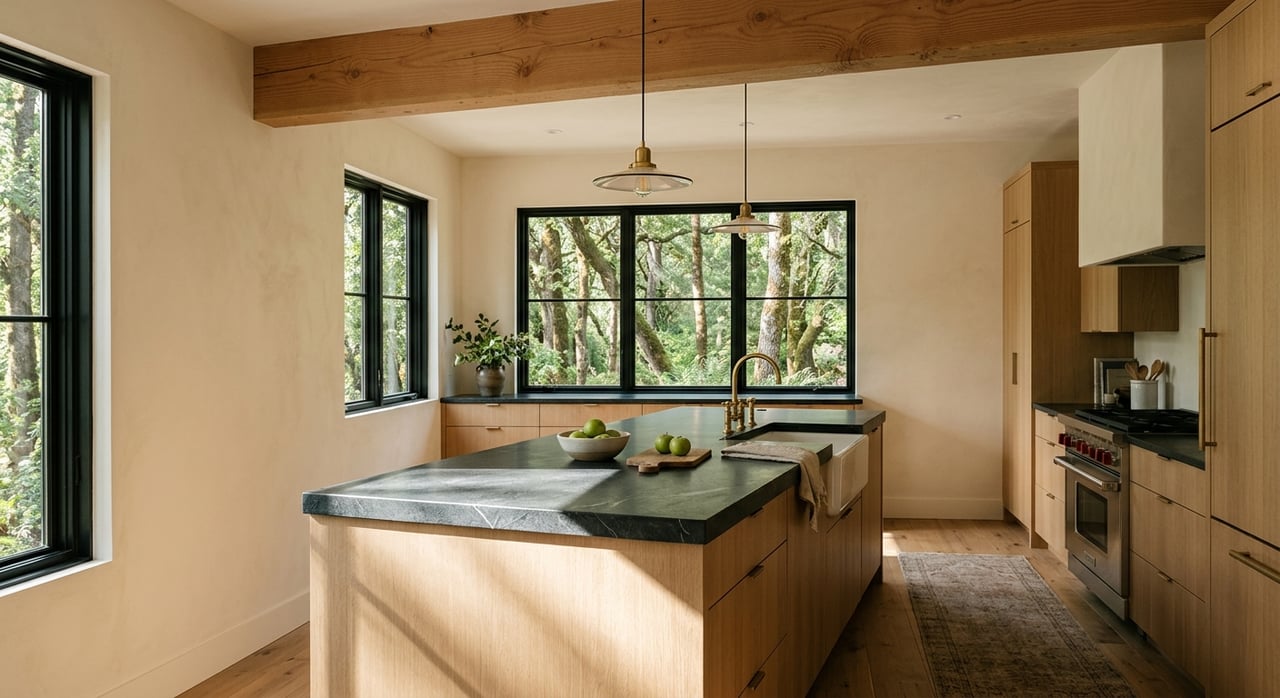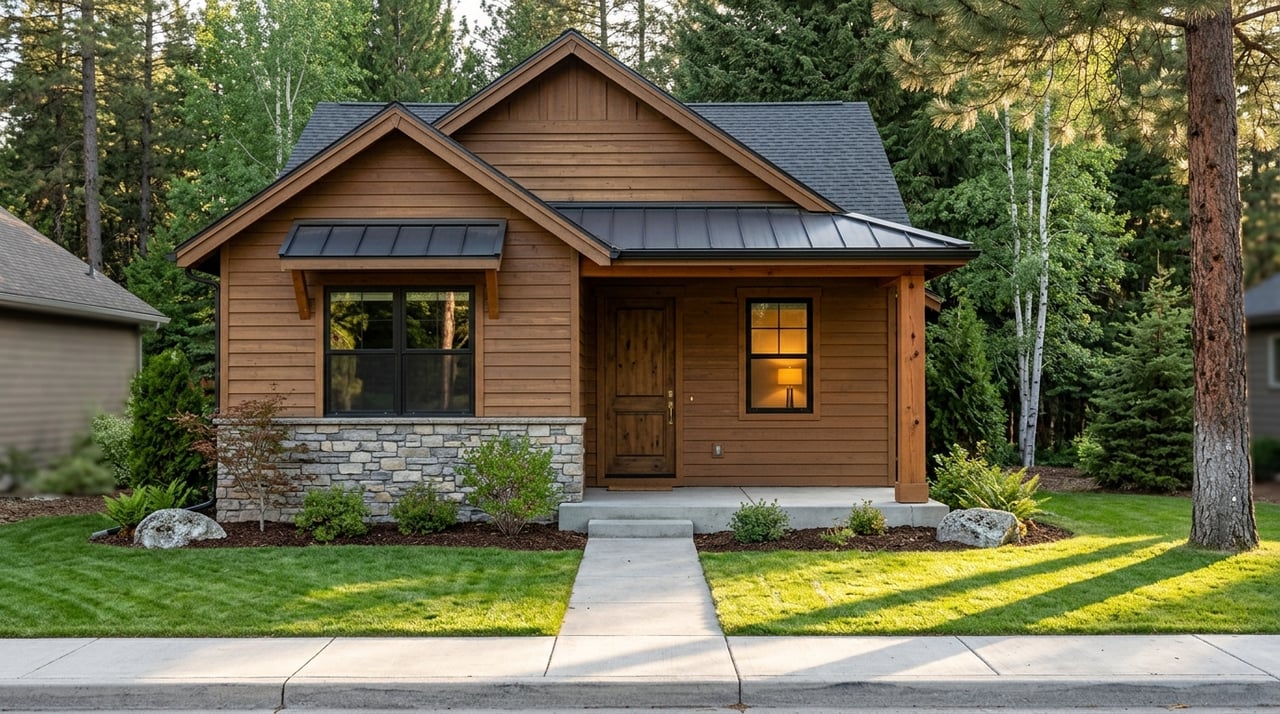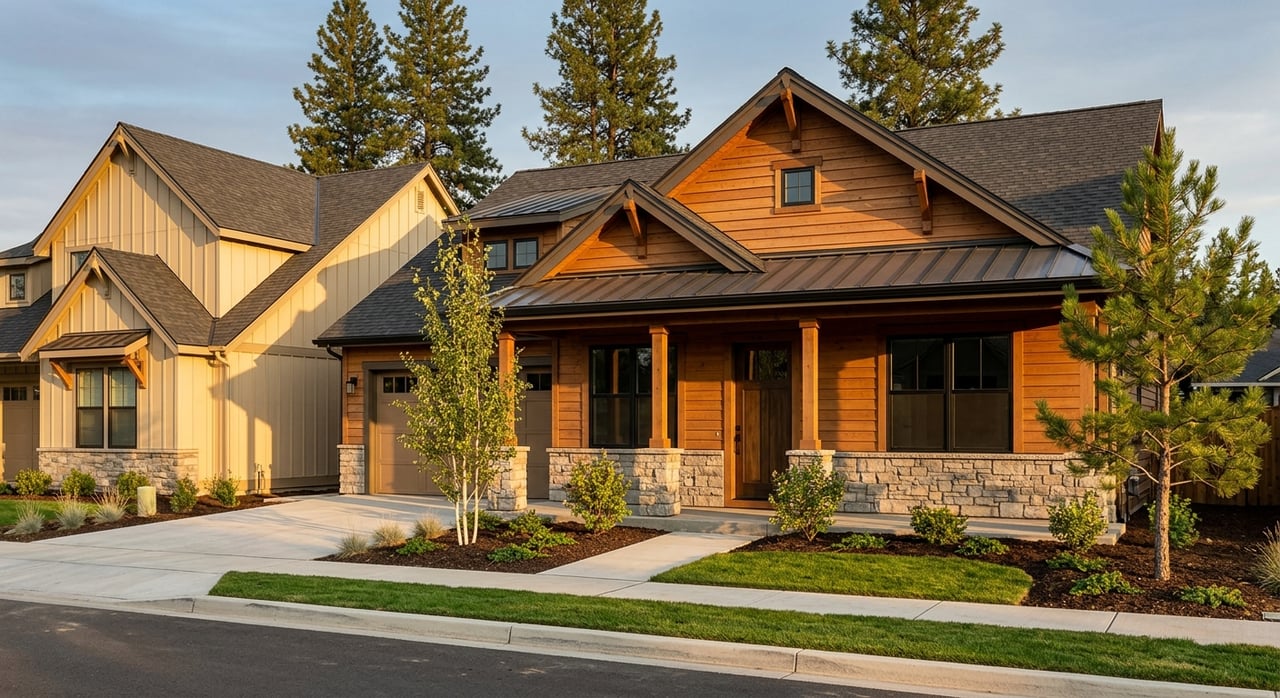
Thinking about buying a brand-new home in Post Falls? It sounds simple until you realize that “new construction” here can mean anything from a small infill subdivision to a phased community with future lots still tied to roads, utilities, and city approvals. If you want to compare neighborhoods with more confidence, this guide will help you understand the types of new construction available in Post Falls, what affects pricing and timing, and what to watch before you make a move. Let’s dive in.
How new construction works in Post Falls
Post Falls is growing, but it is not growing in just one direction or with one neighborhood style. The city is updating its Comprehensive Plan in 2026 and using that process to guide where future residential neighborhoods, commercial areas, and mixed-use centers should go.
That matters to you because today’s new construction options are being shaped by long-term land use and infrastructure planning. The city has also looked at how development patterns affect future revenue and infrastructure costs, which shows that growth decisions are tied closely to roads, utilities, and public services.
The city’s planning approach also helps explain why new construction in Post Falls feels varied. The 2020 Comprehensive Plan encourages infill development near the city center, while larger projects continue moving through annexation, subdivision, and infrastructure review.
The main types of new neighborhoods
If you are searching for a new home in Post Falls, it helps to think in categories. Most buyers are not comparing one single “new construction market.” They are comparing different product types with different timelines, lot sizes, and amenities.
Infill and small subdivisions
At one end of the market are smaller projects built on compact parcels. A good example is North Chase Place, a proposed 20-lot subdivision on about 4.9 acres at Chase Road and Fiser Avenue, with sewer and water service plus required sidewalks, frontage improvements, and stormwater management.
These kinds of projects often feel more connected to existing parts of town. They can also move differently from larger master-planned communities because the city treats very small subdivisions separately. In Post Falls, a minor subdivision is four or fewer lots with no new streets or street extensions.
Standard suburban communities
The next category is what many buyers picture first when they think of new construction. These are neighborhoods with grouped homesites, repeating floor plans, and a more traditional suburban layout.
Wellsprings is one example, with homesites ranging from about .15 to .17 acres. Builder information also shows a mix of rambler and two-story-with-basement plans, which makes it a useful example of a mid-size suburban neighborhood in Post Falls.
Crown Reserve is another clear example of this category. It is actively selling 66 cottage-style homes with five floorplans ranging from 1,526 to 2,196 square feet, and current pricing is listed from $429,950 to $504,950.
This type of neighborhood can appeal to buyers who want a more straightforward path to ownership. Crown Reserve also shows a mix of move-in ready, under-construction, and coming-soon inventory, which gives buyers more than one timing option.
Large phased communities
At a larger scale, Post Falls also has developments that unfold in phases over several years. These projects can include a mix of housing types, planned open space, and major infrastructure work.
Foxtail is a strong example. It spans more than 186 acres and includes a 10-acre school site, an 8-acre city park, and a mile of backage road system. Its approved plat includes both single-family and multifamily residences, and it sits in the Prairie and Highway 41 growth corridor.
Heaven View is another example of large-scale growth. According to the city staff report, it involves 41.12 acres annexed into 209 single-family lots, with lot sizes of roughly 4,200 to 10,700 square feet and development planned across six phases.
For buyers, these neighborhoods can offer more future inventory and a broader mix of lot choices. The tradeoff is that build timing may depend heavily on phase releases, utility completion, and road improvements.
Acreage and custom-style lots
At the far end of the spectrum are low-density communities that prioritize land, privacy, and a different lifestyle feel. These are very different from compact suburban neighborhoods, even though they fall under the same broad “new construction” label.
Bent Blade Heights is a strong example. It is a 56-acre gated community with just five lots ranging from 5 to more than 7 acres, with lots starting at $500,000.
This category is less about buying a nearly finished spec home and more about securing land and a setting. If you want views, larger parcels, or a more private homesite, this is a very different comparison from a cottage-style neighborhood with a shared park.
What pricing really looks like
One of the biggest mistakes buyers make is assuming all new construction in Post Falls sits in one price range. The local data shows that is not the case.
Recent market benchmarks cluster around the mid-$500,000s, but the exact figure varies by source. Zillow reported an average Post Falls home value of $534,865 as of May 31, 2026, while Redfin reported a $525,000 median sale price for the three months ending in May 2026. The city’s 2024 housing needs analysis reported a median sale price of $497,500 and a median list price of $549,900.
Against that backdrop, some new construction can come in below recent citywide benchmarks. Crown Reserve, for example, lists homes from $429,950 to $504,950.
At the same time, acreage-focused options can move much higher very quickly. Bent Blade Heights starts with lot pricing at $500,000 before the home itself is built.
The practical takeaway is simple: Post Falls new construction is not one price point. It is a range of products, and your final cost depends on whether you are buying a compact spec home, a standard suburban lot, a phased homesite, or an acreage parcel.
Why timelines can vary so much
Build timing is one of the most important parts of your search. In Post Falls, two new-construction opportunities can look similar online and still have very different move-in timelines.
Crown Reserve already shows move-in ready, under-construction, and coming-soon homes. That means some buyers may be able to close much sooner than they could in a neighborhood where lots are still tied to future phases.
Heaven View shows the opposite end of the timeline range. The project is planned in six phases, with first occupancy not expected until late 2026 and later phases tentatively scheduled from 2027 through 2029.
City review also plays a role. Post Falls requires subdivision applications to be complete before a public hearing is scheduled, uses a 55-day cutoff window for completed applications, and requires definite water, sewer, and street provisions before approval.
In plain terms, your move-in date may depend on much more than the builder’s framing schedule. It may also depend on annexation, plat approval, utility work, and road completion.
Features and upgrades are not the same everywhere
Another thing buyers should know is that “included features” can mean very different things from one builder or neighborhood to another. A listing price does not always tell the whole story.
Lennar says Crown Reserve homes include its Everything’s Included package, with features such as stainless-steel appliances, quartz countertops, and designer-selected interior colors at no extra cost. That kind of setup can make budgeting more predictable.
Other builders may offer a more customizable process with design selections and upgrade decisions made before construction. That approach can give you more control, but it can also change your final price depending on the features you choose.
This is why side-by-side neighborhood comparisons matter. A lower starting price is not always the better value if another builder includes more features in the base package.
Amenities shape the neighborhood experience
When you compare new construction in Post Falls, the home is only part of the decision. The neighborhood setup can change how the area feels day to day.
Crown Reserve includes a park, picnic area, and playground. Foxtail includes school land and city park land as part of its larger development plan.
By contrast, acreage communities like Bent Blade Heights focus more on gated access, creek features, and views than shared suburban-style amenities. Neither setup is automatically better. It depends on what kind of living environment fits your goals.
Infrastructure matters more than many buyers expect
In growth areas, road and utility work can affect both convenience and timing. This is especially important if you are looking near major development corridors.
The city says the Seltice Way rehabilitation and pipeline project runs from June 1, 2026 through fall 2027. The Heaven View report also ties first occupancy to completion of the I-90 and Highway 41 interchange.
That means your neighborhood decision may also be a transportation decision. If you are comparing homes near Prairie Avenue, Chase Road, or other active growth areas, it is smart to look at current and planned infrastructure right alongside floor plans and pricing.
How to compare neighborhoods wisely
When you tour or research new construction in Post Falls, try to compare neighborhoods using the same checklist. That makes it easier to spot real differences instead of getting distracted by model-home finishes.
Ask questions like these:
- Is this an infill project, a suburban tract neighborhood, a phased master-planned community, or an acreage opportunity?
- Is the home move-in ready, under construction, or tied to a later phase?
- What features are included in the base price?
- What amenities are planned or already finished?
- What road, interchange, sewer, or utility work could affect timing or daily access?
- How does the lot size compare with other neighborhoods you are considering?
This kind of comparison helps you focus on fit, not just marketing. In a market like Post Falls, that can save you time and help you avoid surprises.
The bottom line on Post Falls new construction
The best way to understand new construction in Post Falls is to stop thinking of it as one category. It is really a spectrum that runs from compact infill lots to suburban communities, large phased developments, and acreage parcels.
That is why two neighborhoods with “new homes” can feel completely different in price, timeline, amenities, and lifestyle. Some buyers want a move-in ready home with included finishes and a simpler path to closing. Others want future-phase options, larger lots, or land that gives them more privacy and flexibility.
If you want help comparing neighborhoods, builder options, or timing in Post Falls, working with a local agent can make the process much clearer. Reach out to Donnie Wilkins for practical guidance on finding the right fit for your goals.
FAQs
What does new construction in Post Falls include?
- New construction in Post Falls includes small infill subdivisions, standard suburban neighborhoods, large phased communities, and acreage-style lot developments.
What is the price range for new construction homes in Post Falls?
- Current examples vary widely, from Crown Reserve homes listed at $429,950 to $504,950 to Bent Blade Heights lots starting at $500,000 before building a home.
What affects new construction timelines in Post Falls?
- Timelines can depend on whether a home is move-in ready, under construction, or part of a future phase, along with city approvals, utility work, and road infrastructure.
What amenities do Post Falls new neighborhoods offer?
- Amenities vary by project and may include features such as parks, picnic areas, playgrounds, school land, city park land, gated access, creek features, or view-oriented lots.
Why is infrastructure important when buying in a new Post Falls neighborhood?
- Infrastructure can affect move-in timing, road access, and the overall pace of development, especially in active growth corridors and phased communities.