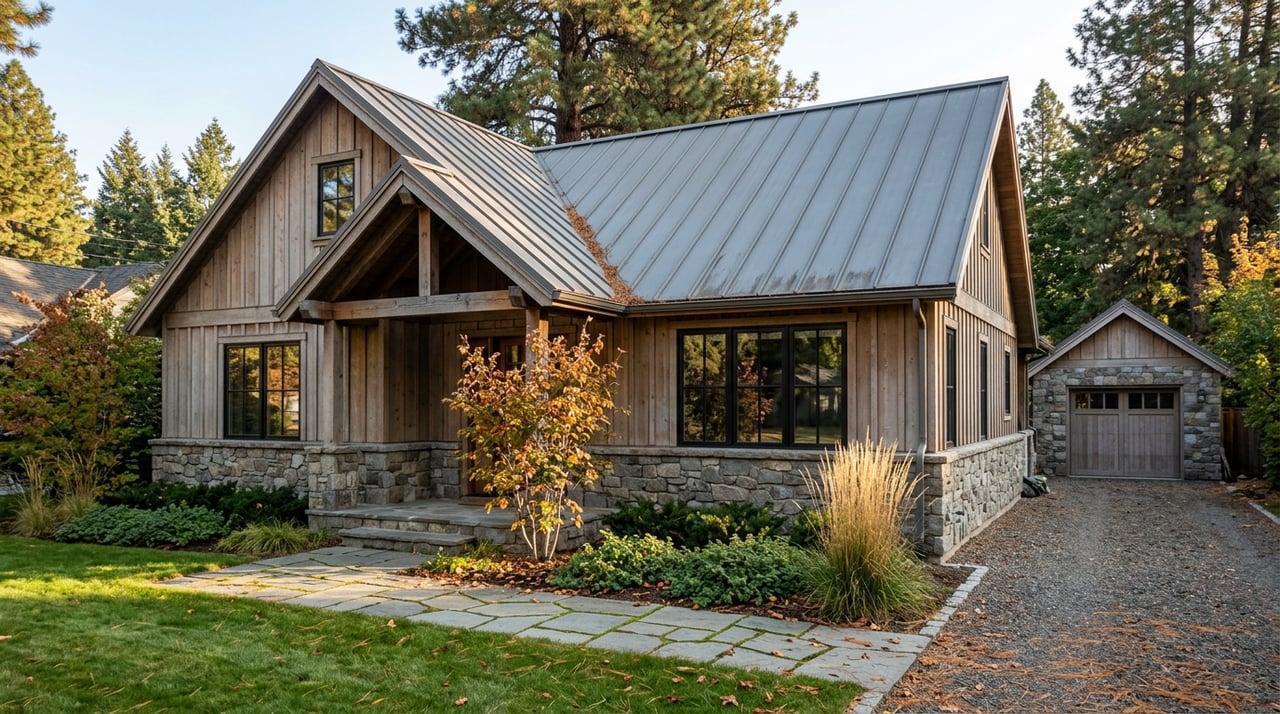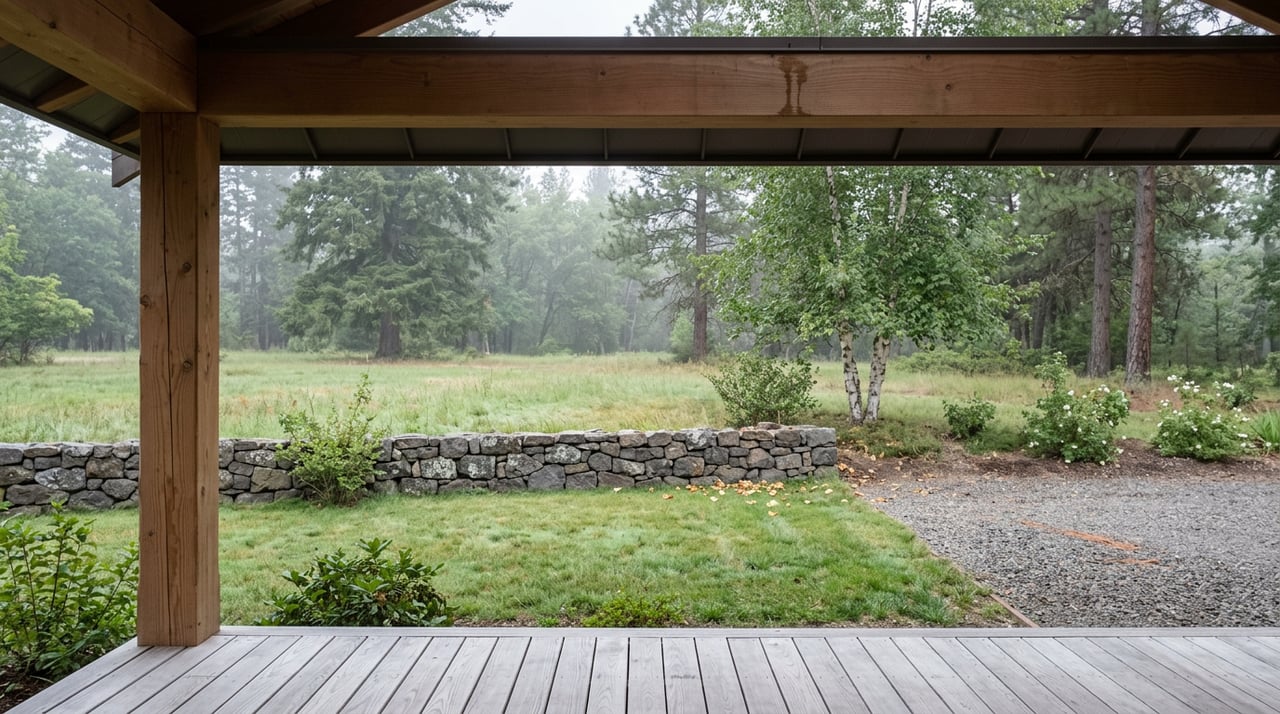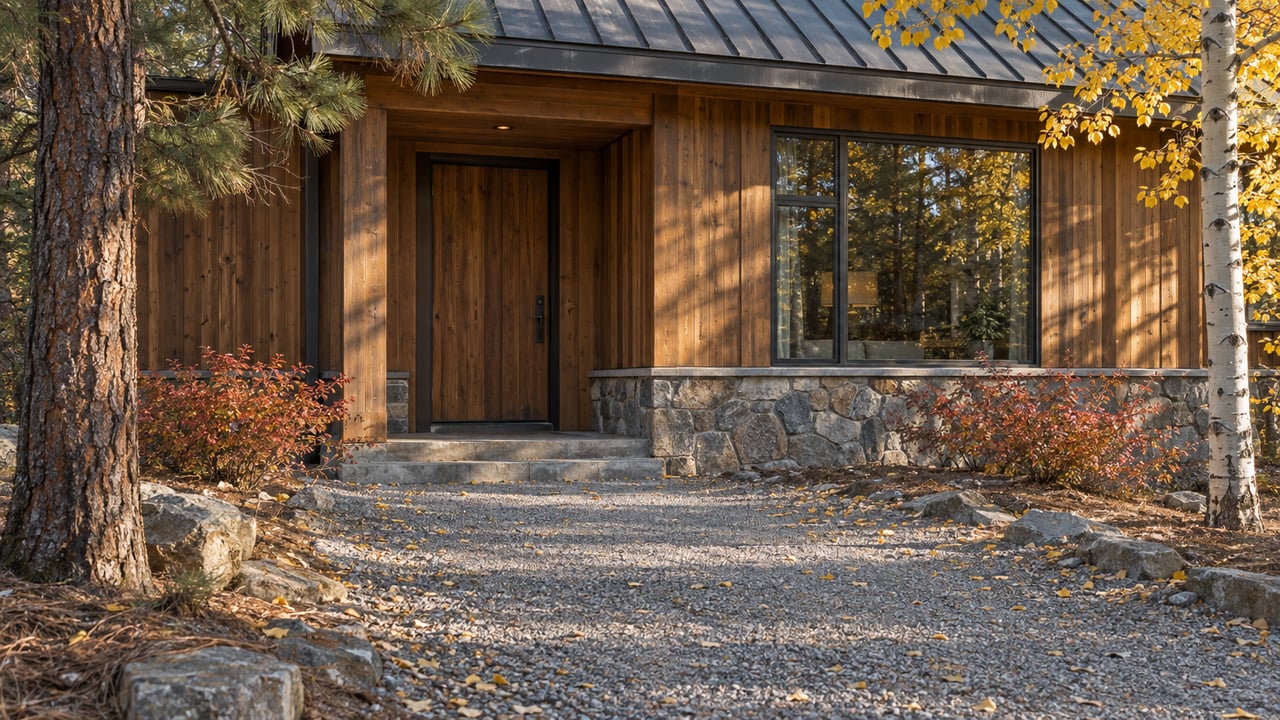
Walk the loop from the 3rd Street trailhead this month and the first quarter mile will feel off in a way you can't quite name at first. The brush that used to crowd the trail on the north side is gone. Sightlines that used to be screened by thick undergrowth now open straight to the lake. Along some stretches you'll pass thin trees wrapped in orange plastic tubes, staked with wire flags. None of this is storm damage, and none of it is neglect. It's the visible result of a fuel mitigation project the city has been running on Tubbs Hill for close to a year and a half, and this fall is the point where the work and the leaf color window happen to land on top of each other.
What actually happened on the hill
The project runs on a federal Western States Fuel Management Grant worth $240,000, with the city and the Tubbs Hill Foundation each kicking in a 10 percent match. Hand crews started on the north side of the hill in June 2025, thinning branches, brush, snags and downed trees that urban forester Nick Goodwin called ladder fuels, the material that lets a ground fire climb into the canopy. By mid-July 2025 that first phase had cleared close to 60 of the hill's 165 acres, concentrated near McEuen Park and the high-traffic sections of trail closest to downtown, according to the Coeur d'Alene Press.
Goodwin didn't undersell the change. Asked to describe what hikers would notice, he told the Press:
"I think the difference is going to be stark."
He followed that up by telling city staff to go see it for themselves. That's not a line from a press release trying to make routine forestry work sound dramatic. It's the person who managed the project telling residents the hill would read differently on the ground than it does on paper.
The city didn't stop at cutting. In April 2026, contractors returned to plant 500 native seedlings, a mix of 65 percent western larch, 20 percent white pine and 15 percent ponderosa pine, the species that already make up the hill's canopy. Three hundred of those seedlings got protective tubes against deer browsing, the other 200 a repellent treatment. Then, over Memorial Day weekend 2026, crews started a second cutting phase, this time on the south side, treating roughly 13 acres in partnership with the Kootenai County FireSmart Program. That work drew down more of the original grant, which the city has said needs to be fully spent by November 2026.
Why the deadline matters more than the acreage
The acreage numbers are useful for scale, but the detail that actually explains what you're seeing on the trail right now is the November 2026 spending deadline. The grant doesn't roll over. That means the mitigation work isn't a finished project you're looking at the aftermath of, it's a project still inside its own execution window, with the south-side phase closing out at the same time the hill hits peak leaf color. If you see flagging, staked seedlings, or crew activity on a fall walk this year, that's the tail end of a federally funded timeline, not a stalled cleanup. The Tubbs Hill Foundation has asked visitors more than once not to pull up tubing or remove flags, a request that only makes sense if you know crews are still tracking survival rates on trees planted five months ago.
There's also a scale argument buried in here that's easy to miss. A trail counter tallied 387,027 visits to Tubbs Hill in 2024, with a single-day peak of 6,474 people on July 4. That's not a quiet neighborhood park. It's the busiest natural area inside city limits, sitting directly against a downtown core, which is exactly why the city prioritized fire breaks along the trails closest to McEuen Park rather than treating the hill evenly. The mitigation work went where the people already are.
What that means for a walk this month
North Idaho's leaf color window is short and specific. Tubbs Hill and the stretch of the North Idaho Centennial Trail that hugs the eastern shore typically turn in the first half of October, according to Visit Idaho's own seasonal guide. The larch show, the gold needles that drop like a deciduous tree, comes later, running from roughly October 15 through the end of the month. That means the thinned sections of the north loop, the ones with the new open sightlines toward Harrison Slough, will be showing bare understory and turning canopy in the same few weeks this year, a combination the hill hasn't had in past falls simply because the brush wasn't cleared yet.
If you're walking the loop past the moose statue at the 3rd Street entrance and continuing toward the east side trailhead at 10th Street, watch for the staked seedlings along the trail edges. They mark where the spring planting went in, and they're the reason the hill will look thinner this year but denser again in five or ten.
The rest of the fall calendar, if you're already out there
The mitigation work isn't the only thing on a schedule right now. A few dates worth knowing if you're planning a fall weekend around the hill:
- October 17: Downtown's final Farmers Market of the year runs at 5th and Sherman, folded into the Harvest Market and Apple Palooza, with hay rides and apple tastings a short walk from the 3rd Street trailhead.
- Second Friday of the month, through December: The Downtown Association's Art Walk continues, with galleries and shops open late from 5 to 9 p.m.
- November through February: Bald eagles arrive at Wolf Lodge Bay to feed on spawning kokanee salmon, a migration that drew a recorded 409 birds in 2024. That's the marker for when the hill's own fall show has wound down and the next seasonal draw takes over.
None of these depend on the mitigation project, but they line up against it. The hill will be at its most visually different right as the rest of downtown's fall calendar peaks, which is as good a reason as any to walk the loop before the leaves are down and the crews, per that November deadline, have finished for the year.
If you've walked Tubbs Hill for years and you're curious what else around Coeur d'Alene has quietly changed this season, ExSell Realty Group tends to notice these things before they show up anywhere else.